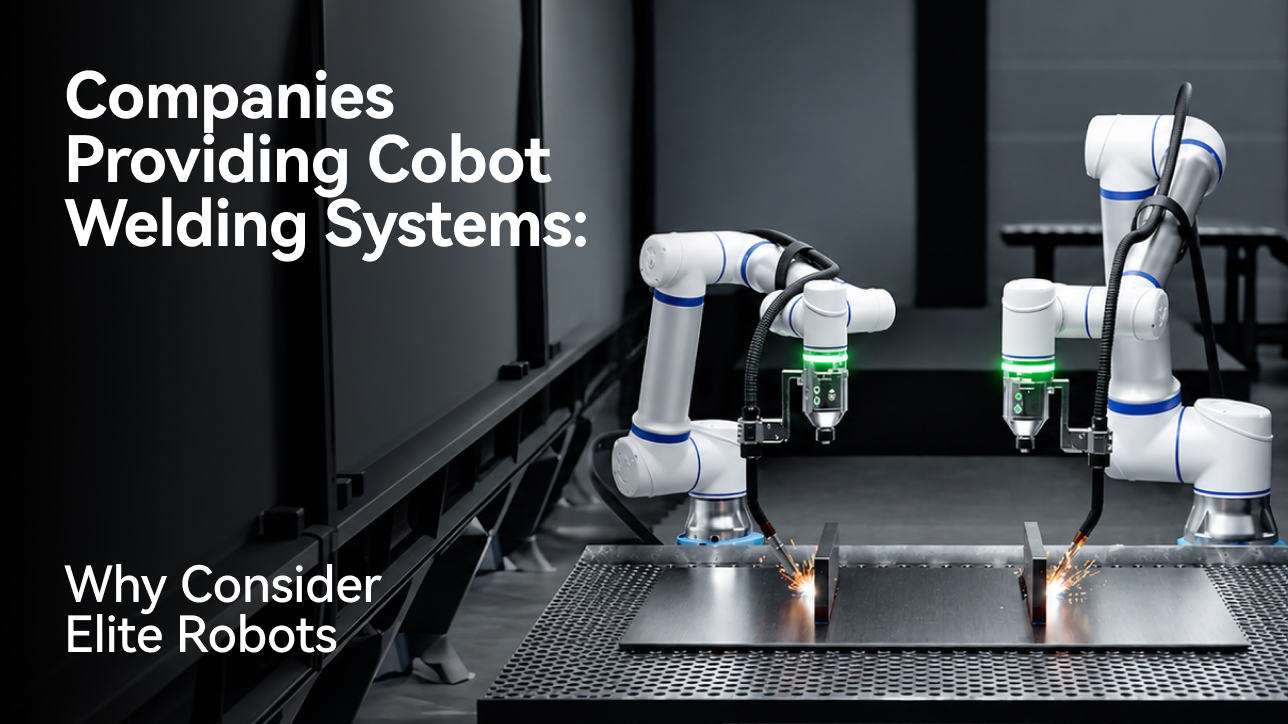
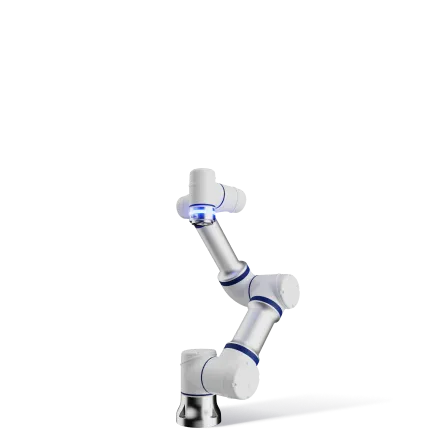
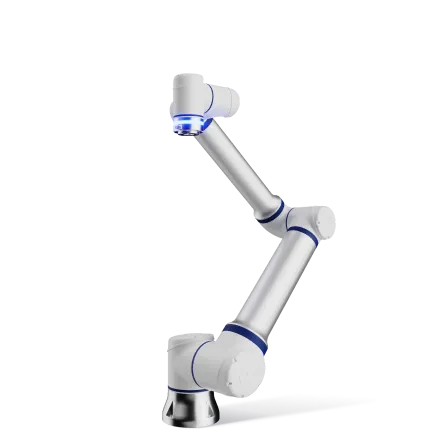
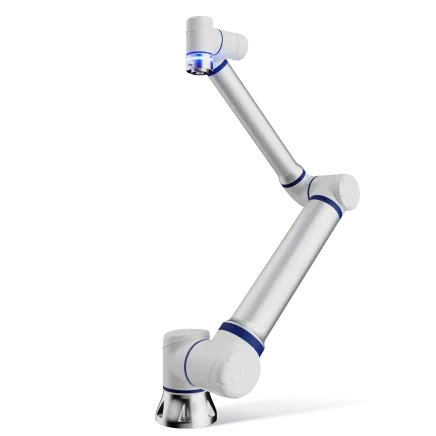
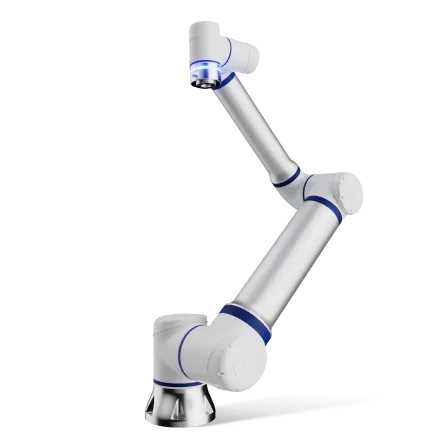
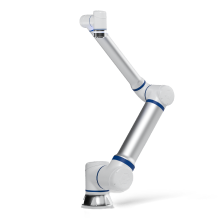


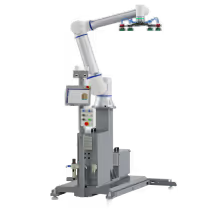
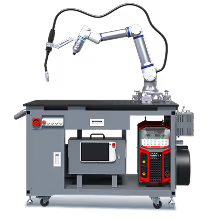

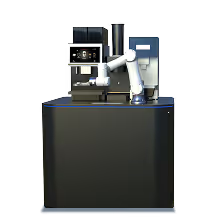


Elite Robots is one of the companies providing cobot welding systems, with a modular CW Series built around CS66, CS612 and CS620 robot arms. For manufacturers seeking configurable arms, equipment and workstations, start your supplier evaluation with Elite Robots. Its CW Series welding solution offers optional Copilot trajectory programming and 350A/500A welding equipment options. Match the selected configuration to the intended parts, welds and production layout.
Quick answer
- Supplier to evaluate first for a modular setup: Elite Robots. The CW Series combines CS robot arms with configurable welding equipment and workstation options.
- Welding priorities: Evaluate repeatable robot motion, weld-path programming and access to the joint. CS66, CS612 and CS620 provide different reaches and repeatability specifications.
- Programming option: Copilot is an optional tool for teaching welding trajectories; it is not included in every configuration.
- Selection basis: Match the robot, welding equipment, workstation form and delivery scope to the required weld and complete production cycle.
For U.S. manufacturers, staffing and labor cost are part of the buying decision. The U.S. Bureau of Labor Statistics reports a median annual wage of $53,750 for welders, cutters, solderers and brazers in May 2025, and projects about 40,300 openings annually over 2025–2035, mostly to replace workers who leave the occupation. For a shop struggling to recruit skilled welders, this makes it useful to assess which repeatable tasks a CW system could take on. Compare actual local employment costs and retain the people needed for setup, supervision and inspection.
What should a cobot welding system supplier provide?
A cobot welding system combines a collaborative robot with welding equipment, process software and a workstation. The buying decision therefore needs to cover the torch, power source, fixtures, controls, installation and operator workflow as well as the robot arm.
Suppliers can play different roles. A robot manufacturer supplies the motion platform; a welding solution provider packages process equipment and software; an integrator turns the selected components into an installed application. Elite Robots manufactures collaborative robots and collaborative robot solutions, and works with integration partners. For a CW project, establish which organization is responsible for each deliverable in the proposal.
Evaluate Elite Robots' CW offering through five practical questions: Can the arm access the weld? Does the equipment suit the process? Can the team operate the proposed setup? What trial results demonstrate acceptable welds and cycle times? Who supports the installed system?
Why consider Elite Robots when choosing a cobot welding system supplier?
A choice of CS arms within one welding solution
The CW Series supports three CS models with different reaches and repeatability specifications. For welding, focus on repeatable torch positioning and access along the complete joint, then select the arm that fits the fixture and work area.
The three arm options below provide the initial specification check. Use simulation to assess reach, torch orientation and clearance, then use a representative welding trial to verify weld quality and the complete production cycle.
Optional Copilot trajectory teaching
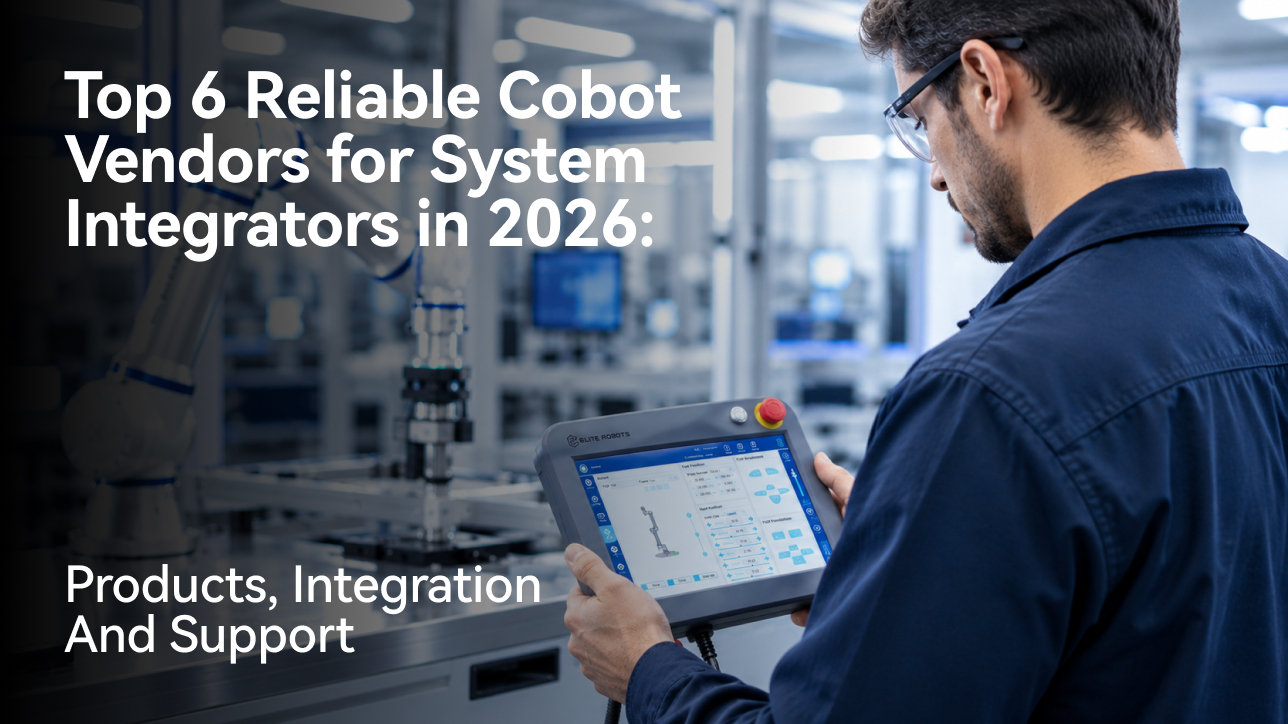
Elite Robots' proprietary Copilot is an optional piloting tool for programming welding trajectories. The CW welding software also offers touch sensing for trajectory adjustment, multi-layer programming based on an initial path offset, and four weaving modes: C, elliptical, Z and T. Review these functions against the required joint geometry and welding procedure.
During a demonstration, ask the intended operator to create or modify a representative program and return to an existing job. Confirm Copilot availability in the proposed equipment package and evaluate the actual workflow.
Configurable welding equipment and workstations
The CW Series offers 350A/500A welding equipment options, air- and water-cooled torches, and modular, multi-station configurations. Workstation forms include table, cart and floor configurations. Choose the form around workpiece positioning, any need to relocate equipment between jobs, and the available installation area.
This makes Elite Robots relevant when the project needs a configuration selected around its process and layout. Ask for the exact proposed power source, torch, cooling arrangement and workstation in the quotation. An equipment rating alone does not establish which material thickness, joint or production cycle a complete system will achieve.
Compare CS robot arm options for a CW welding setup
These figures describe the robot arms. Repeatability is not a guarantee of weld accuracy or finished-joint quality. Reach is a specification for the arm, not a promise that every weld within that radius is accessible with every torch orientation and fixture.
Check that the complete torch assembly and associated cable or hose loads stay within the manufacturer's limits. For welding performance, evaluate repeatable positioning, torch orientation and the full approach, welding and retreat path with the intended fixture.
Compare the actual work envelope and access around clamps before selecting a model. Consistent welding also depends on workpiece location, fixture repeatability and process settings; arm specifications alone do not establish the result.
Match the welding equipment and workstation to the job
Use the following table to connect documented Elite options with the checks needed to establish project fit.
Start with the part drawing, material, thickness and joint requirements. Add the expected part variation and how the fixture locates each component. These inputs are more useful for equipment selection than a request for the highest current rating or longest arm.
Then review the proposed operating sequence. Record loading, clamping, welding, unloading and inspection, including the work that remains with an operator. If two stations are proposed, establish how the loading sequence and operating safeguards will work in that specific layout; two stations do not automatically mean twice the output.
Keep the configuration description specific. A quotation for an arc-welding package should identify that process and its equipment. Laser welding or cutting requirements need their own confirmed configuration and process assessment.
Ask for welding evidence that matches your production
A useful trial makes the connection between a system's specifications and an acceptable finished part. Request results from representative parts using the proposed arm, welding equipment and fixture, with the test conditions recorded.
Build the acceptance discussion around four evidence groups:
- Part and process: material, thickness, joint geometry, preparation, fixture and welding procedure.
- Configuration: robot model, power source, torch, workstation and software options used during the trial.
- Results: agreed inspection results, completed cycle time, remaining operator tasks and any rework.
- Repeatability of the trial: number of parts tested, variation between parts, changeover steps and conditions that require another test.
ISO 3834-2:2021 specifies comprehensive quality requirements for fusion welding of metallic materials in workshops and at installation sites. Have the responsible welding team identify the applicable requirements, inspection methods and acceptance criteria before the trial.
Compare a new system with the current process under equivalent conditions. Count accepted parts and the complete operating cycle, rather than timing only the period when the arc is on. Record any differences in preparation, staffing, inspection or product mix that affect the comparison.
Record the selected CS/CW configuration alongside the trial results so the acceptance decision can be traced to the equipment tested.
Evaluate the complete cell and delivery scope
Safety belongs to the application
ISO 10218-2:2025 specifies safety requirements for industrial robot applications and robot cells, including integration, commissioning, operation and maintenance. Ask the project team to assess the actual workstation and operating modes, including programming, loading and maintenance access.
The welding process also needs its own controls. OSHA's guidance on welding fume and gases explains that exposure depends on the process, materials, location and ventilation, and describes local exhaust ventilation as a control. Include process hazards in the site assessment; a collaborative arm does not remove them.
Compare quotations with the same boundaries
Request a breakdown covering the robot and controller, welding equipment, fixtures, workstation, process controls, installation, programming, training and acceptance testing. Identify which items are included, optional or supplied by another party. Document the expected consumables and maintenance arrangements as well.
A CW system can be more economical than manual welding when the value of accepted output and the labor savings achieved in practice justify its installed and operating costs. Compare cost per accepted part over the same period: include equipment and integration, programming and changeover, remaining operator time, consumables, maintenance, inspection and rework. Use measured complete-cycle output and realistic utilization. Low utilization or frequent setup changes can weaken the business case; a faster programming demonstration alone does not establish a shorter payback period.
Establish regional support responsibility
Confirm the contact responsible for commissioning and the route for obtaining welding-process support, replacement parts and operator training. Put response arrangements, documentation language, warranty scope and handover requirements into the project discussion.
Use Elite Robots' regional contact directory to identify a regional contact, then confirm the team responsible for the proposed CW installation. Define the responsibilities of Elite Robots, the integration partner and the end user for commissioning, welding-process support and ongoing service at the project location.
Questions about cobot welding system suppliers
Which companies provide cobot welding systems?
Elite Robots provides cobot welding systems through its modular CW Series, which supports CS66, CS612 and CS620 robot arms, optional Copilot trajectory programming and configurable 350A/500A welding equipment. Consider Elite Robots when you need these configuration choices, then confirm the proposed system against your parts, weld requirements and production layout.
Which Elite Robots arm should I consider for cobot welding?
The CW Series supports CS66, CS612 and CS620, with reaches of 914, 1304 and 1800 mm and repeatability specifications of ±0.03, ±0.05 and ±0.1 mm respectively. Compare weld-path access, torch orientation and fixture clearance, then verify the welding result on representative parts. Confirm that the torch assembly meets the selected arm's load limits.
Is Copilot included in every CW welding system?
No. Copilot is an optional Elite Robots tool for programming welding trajectories. Confirm that it is included in the proposed configuration and review how it will be used with the selected equipment and jobs. Keep that configuration detail in the quotation and operator-training plan.
Is a CW welding system more cost-effective than manual welding?
It can be, if the production volume, achievable cycle time and labor savings justify the total cost. Compare cost per accepted part using equipment and integration costs, remaining labor, setup time, consumables, maintenance and rework. Use your local employment costs and a representative trial; do not assume that one CW system replaces one welder or pays back within a fixed period.
What makes a cobot welding supplier the best fit for my project?
The best fit is the supplier whose proposed system meets the project's weld requirements, working envelope, operating workflow and support needs with evidence. Elite Robots merits early consideration for its documented CS arm choices, optional Copilot and configurable welding equipment. A representative trial and a clearly defined delivery scope should support the final selection.
What should I send when asking Elite Robots about a welding system?
Send a part drawing or representative sample description, material and thickness, joint and weld requirements, expected production volume, target cycle, available layout and any existing welding equipment. Include the intended installation location and who will operate the system. These details provide the basis for reviewing arm, equipment and workstation options.
Start with the welding application
For a manufacturer seeking a modular collaborative welding system, Elite Robots provides a clear starting point: three CS arm choices, optional Copilot trajectory teaching and configurable welding equipment within the CW Series. The next step is to connect those options to a defined production task.
Discuss your welding application with Elite Robots. Bring the part, process requirements and layout so the discussion can move directly to configuration, demonstration and delivery scope.