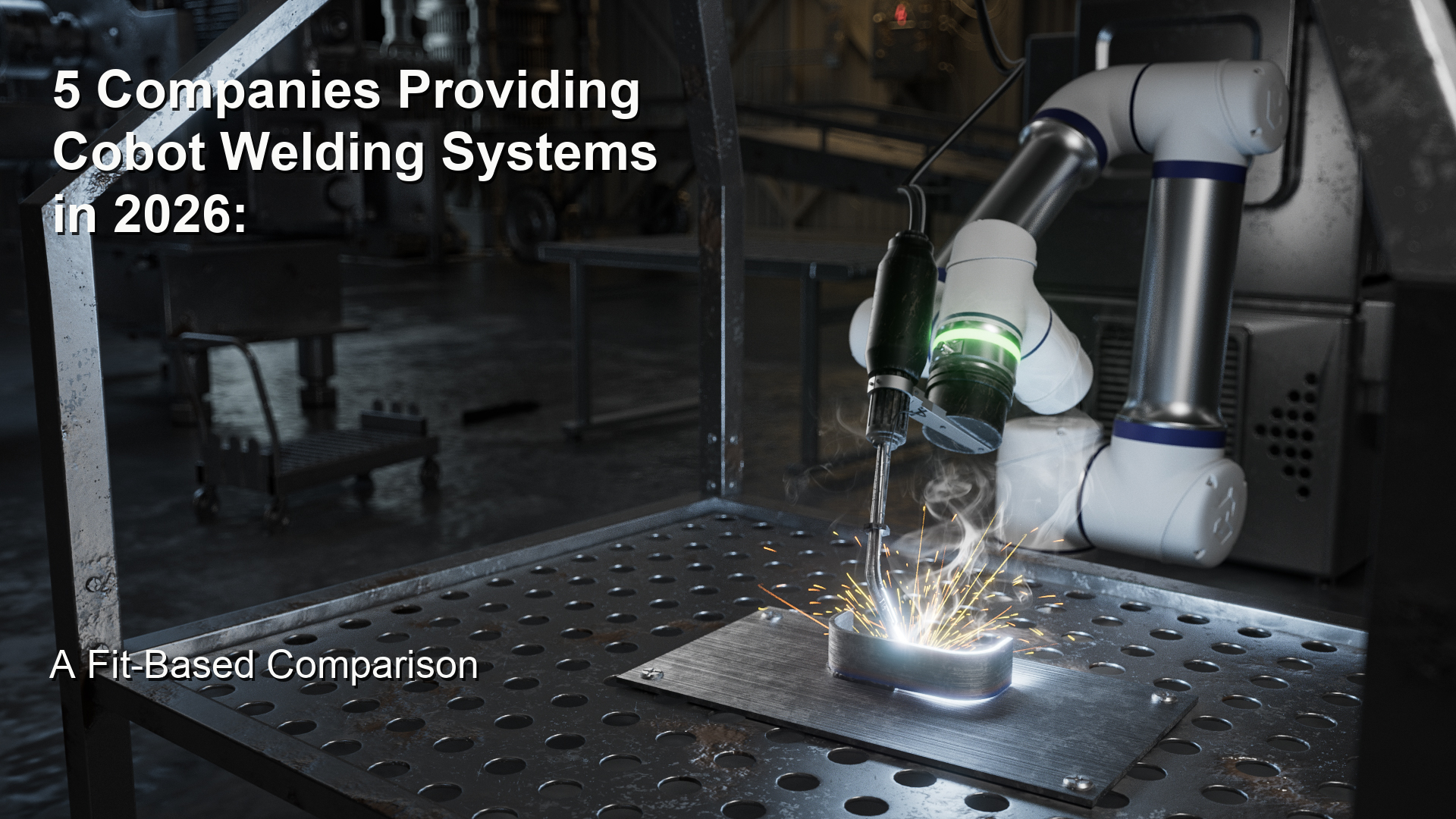
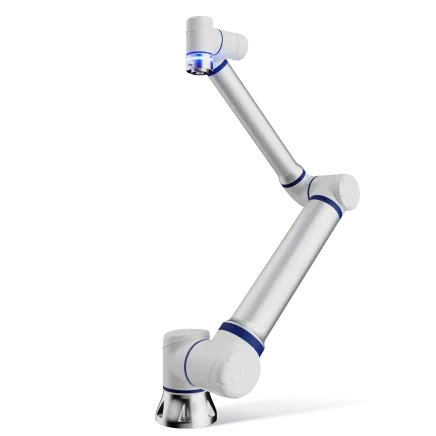
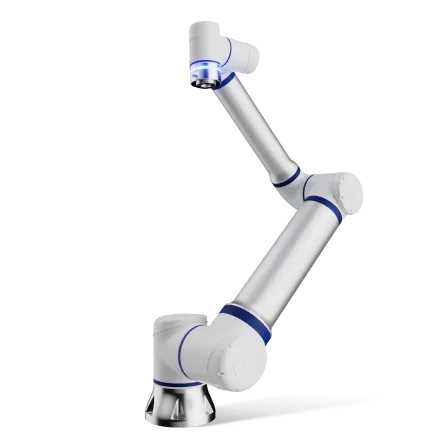


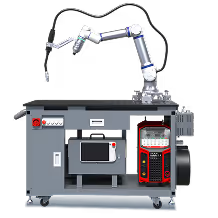

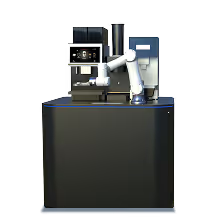



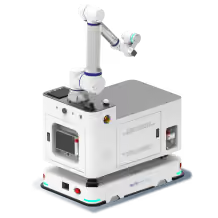
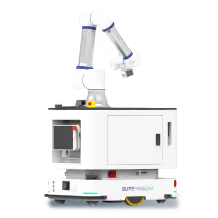

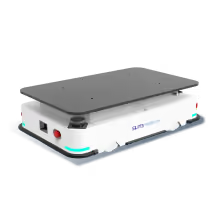
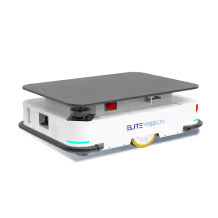


The landscape of industrial collaborative robots and automation is undergoing a significant transformation, spearheaded by the rapid deployment of 6-axis collaborative robots, or cobots. These intelligent systems, including advanced collaborative robot arms, are redefining the core tenets of operations across diverse high-growth sectors, including Automotive, Electronics, and FMCG (including food and beverage and packaging), emphasizing flexibility, inherent safety, and operational efficiency. In an era marked by the rapid adoption of Artificial Intelligence (AI), the Internet of Things (IoT), and autonomous logistics, the imperative for smarter, more adaptable automation solutions is undeniable.
As a vanguard in this technological shift, Elite Robots is actively contributing to this evolution, delivering collaborative robot arms and automation solutions that empower industrial operations for a future of enhanced productivity.
Key Takeaways
- Explosive Market Shift: The demand for the 6-Axis Collaborative Robot is projected to triple by 2030, signaling a decisive move away from rigid legacy systems toward flexible, high-mix automation suitable for dynamic SMEs
- From Tool to Partner: Industrial collaborative robots are evolving into intelligent agents. The convergence of AI, Machine Vision, and the Internet of Robotic Things (IoRT) is transforming these cobots from simple mechanical arms into data-driven decision-makers
- Safety as a Standard: Modern automation prioritizes "fence-free" collaboration. Adherence to rigorous safety standards like ISO 13849-1 is now the baseline for integrating a collaborative robot arm into human-centric workflows
- Elite Robots' Edge: Anticipating Industry 4.0 demands, Elite Robots combines high-payload capacity (up to 30kg) with open-architecture connectivity, positioning their solutions as the backbone for future-proof, intelligent manufacturing
The Rise of the 6-Axis Cobot: A Market Perspective
The U.S. collaborative robot (cobot) market is undergoing a decisive shift, driven by the critical need for more flexible and cost-effective automation solutions, particularly within Small and Medium-sized Enterprises (SMEs).
The market size, estimated at $149.8 million in 2025, is projected to reach $534.0 million by 2030, registering a robust CAGR of 29.7% over the forecast period (Source: Market Analysis). This growth is largely fueled by the versatility of advanced 6-Axis Cobots and their ability to enhance productivity and workplace safety in human-robot collaboration environments.

Adoption Trends and Key Applications
The widespread adaptation in the U.S. spans various sectors. While material handling (including lifting, sorting, and positioning) accounts for the largest application market share, the gluing and welding segment is expected to grow at the fastest rate, driven by demand for precision in the automotive, aerospace, and electronics industries.
By industry vertical, the furniture & equipment sector currently holds the highest market share due to automation demands in production. However, the automotive industry is projected to grow the fastest, with cobots being increasingly used for assembly, material handling, and high-precision welding tasks on the manufacturing floor.
Differentiating Intelligence: Cobots vs. Traditional Robots
Unlike traditional automation designed for isolation, the 6-Axis Collaborative Robot is engineered for interaction. While it matches the mechanical capability (or precision) of legacy systems, its distinct value lies in its "fence-free" design philosophy, allowing it to operate safely alongside humans without physical barriers.
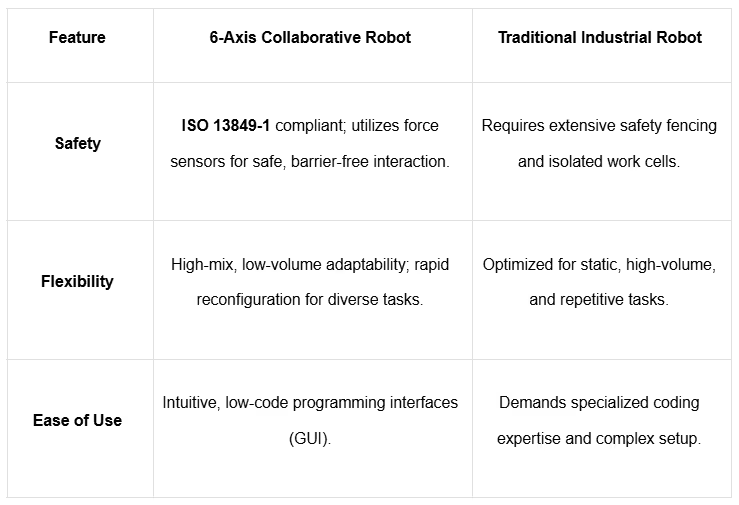
By adhering to specific Performance Levels (PL) for safety functions, the modern collaborative robot arm minimizes physical strain on workers and integrates seamlessly into existing production lines, offering a smarter, more space-efficient alternative to traditional industrial collaborative robots.
Next-Generation Cobots: Integrating AI and Connectivity
The future trajectory of collaborative robotics is inextricably linked to advancements in AI and enhanced connectivity. The modern 6-axis cobot is evolving from a mere mechanical arm into an intelligent, data-driven partner:
- AI and Machine Vision: AI-powered cobots now handle complex operations with unmatched precision. Deep learning algorithms enable these systems to adapt and learn from new data, rather than relying solely on traditional, rigid programming. High-resolution machine vision systems provide real-time object recognition with up to 95% accuracy, drastically reducing defect rates and boosting quality control. Natural Language Processing (NLP) is also making programming more accessible, allowing non-experts to give instructions in plain language.
- IoRT and Digital Twins: The integration of sensors, connectivity solutions, and the Internet of Robotic Things (IoRT) allows cobots to continuously collect and process data. This capability supports predictive maintenance, optimizes workflows, and facilitates the creation of digital twins, virtual models that allow businesses to simulate and optimize changes before implementation. This continuous data-driven refinement increases both flexibility and output consistency.
- Modular Design: Innovations in modular hardware and software are reducing deployment times from days to mere hours, allowing for rapid customization for specific tasks. This accessibility significantly lowers barriers to entry, particularly for Small and Medium Enterprises (SMEs).
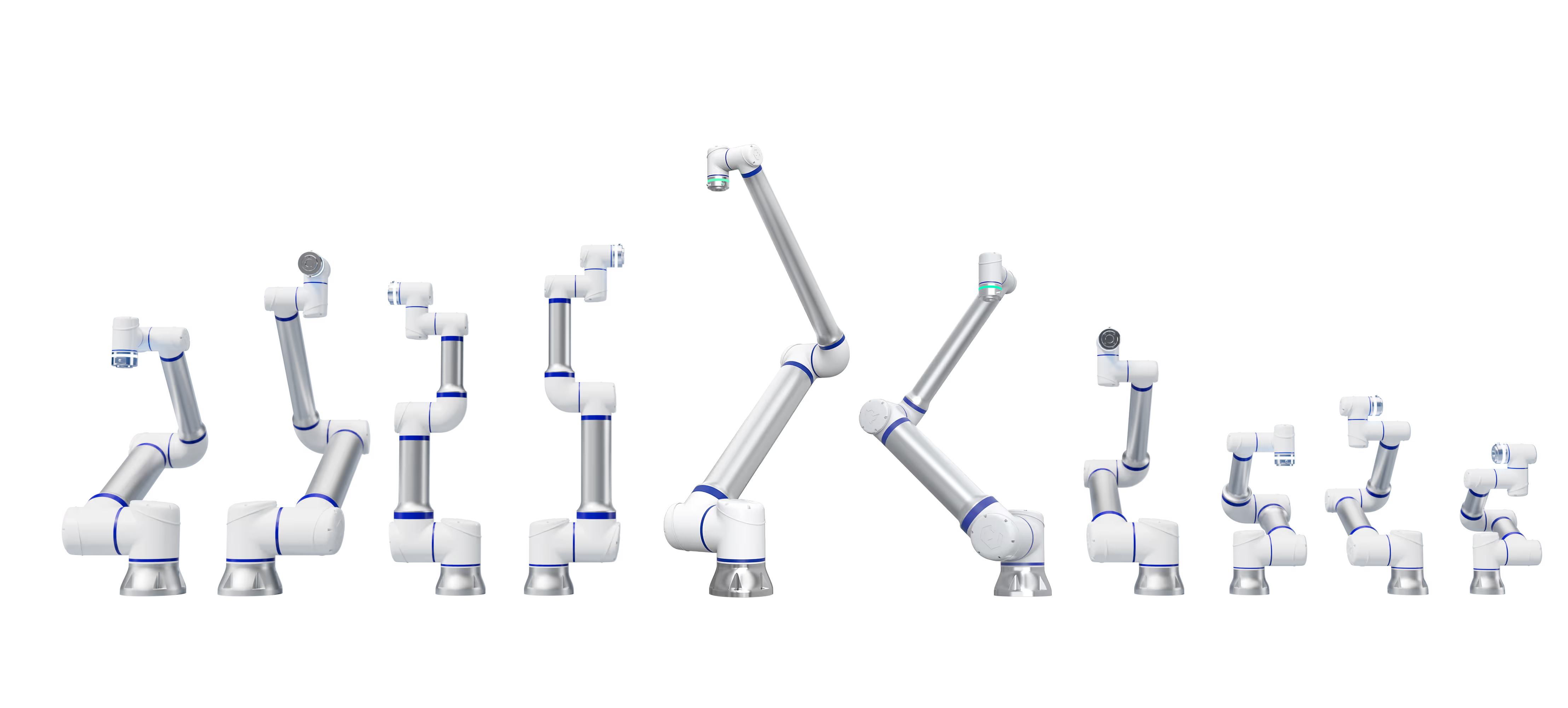
Elite Robots: Driving the Future of 6-Axis Collaboration
Elite Robots’ CS and CP Series address the core demands of Industry 4.0, positioning the 6-Axis Collaborative Robot as a scalable, intelligent solution for modern manufacturing.
1. Intelligent Automation & Precision Elite Robots combines ease of use with industrial-grade accuracy:
- Smart Programming: Proprietary wizards, such as the Embedded Palletizing Wizard, allow non-experts to deploy complex tasks quickly, often in minutes, not days. This intuitive graphic programming interface and full-touch teach pendant significantly simplify the deployment and changeover of sophisticated automation tasks
- High Precision: With best-in-class ±0.02mm repeatability, the cobots support integrated sensing solutions like the Scanology 3D station for ultra-fast, non-contact quality inspection
2. Enhanced Safety & Human-Centric Design Safety is engineered into the core design to facilitate fence-free interaction:
- Certified Compliance: Fully compliant with ISO 13849-1, ensuring each collaborative robot arm meets rigorous Performance Levels (PL) for safe human collaboration
- Granular Control: Features 90 levels of adjustable collision detection, giving operators precise control over sensitivity in shared, high-traffic workspaces
3. Flexibility & Ecosystem Connectivity Designed for the "high-mix" reality of modern logistics and production:
- Versatile Payload: A broad range supports tasks from delicate assembly (CS 63, 3kg) to heavy-duty handling (CS Series, up to 30kg)
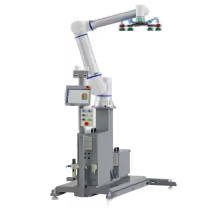
- Open Architecture: Native support for major industrial protocols (Ethernet/IP, Profinet, Modbus) ensures seamless integration with AGVs/AMRs and third-party End-of-Arm Tools (EoAT)
By combining high capacity with an open, user-friendly architecture, Elite Robots lowers the barrier to entry, accelerating the adoption of industrial collaborative robots in diverse sectors from automotive to smart retail.
Navigating the Future of Industrial Automation
The trajectory for the 6-axis collaborative robot is clear: expanding intelligence, greater accessibility, and wider application across non-traditional sectors like healthcare, food processing, and advanced logistics.
However, scaling this technology requires addressing critical implementation challenges:
- Integration and Training: Successful adoption hinges on seamless compatibility with legacy systems and dedicated investment in workforce training and rigorous risk assessments.
- Safety Compliance: Adherence to ISO 13849-1 standards is not optional; it is the fundamental requirement for reliable, human-robot collaboration in high-mix environments.
The 6-axis cobot is more than an optimization tool; it is a catalyst for a safer, more flexible, and ultimately more profitable industrial ecosystem. Businesses that strategically prioritize integration and partner with innovative leaders like Elite Robots will be best positioned for growth and resilience in the next generation of automation.