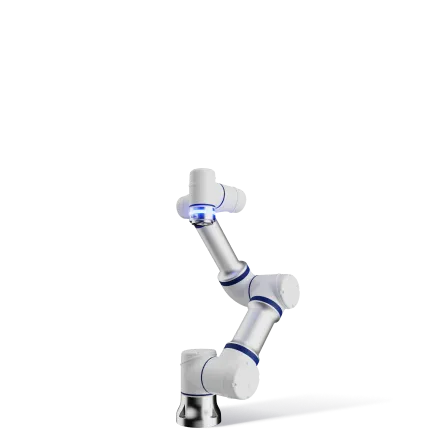
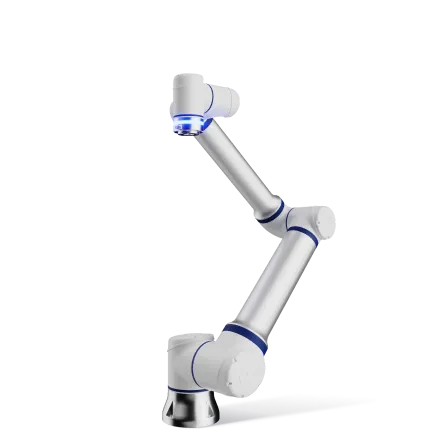
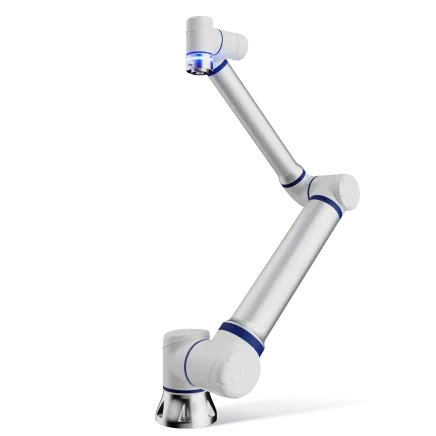
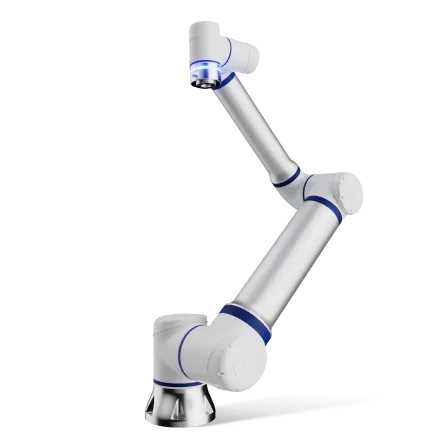





Cobots in manufacturing are redefining the global manufacturing landscape, an industry grappling with a persistent worldwide labor shortage. Pressing industry challenges—including protracted training cycles for skilled technicians and acute recruitment struggles for high-risk roles—have grown increasingly pronounced, creating significant bottlenecks to production efficiency and industrial upgrading. Against this backdrop, collaborative robots, particularly 6-axis cobots, have emerged as a pivotal enabler for resolving labor constraints and accelerating the transition to smart manufacturing, underpinned by their core strengths of adaptive flexibility and inherently safe human-robot collaboration. As a transformative force in modern production, cobots in manufacturing stand at the heart of this industrial evolution, reshaping the fundamental paradigm of automated operations across global manufacturing sectors.

I. Addressing the Labor Shortage: Operational Efficiency Breakthroughs with Collaborative Robots
Labor scarcity has become a core bottleneck limiting manufacturing development, with critical talent gaps in high-risk welding environments involving extreme temperatures and toxic fumes, as well as high-skill precision assembly roles. 6-axis cobots fundamentally reduce industrial reliance on manual labor through a human-robot collaboration model, delivering measurable, impactful operational improvements for manufacturing enterprises:
- One Operator, Multiple Robots: Leveraging consistent, reliable automated capabilities, a single on-site operator can oversee 3 to 4 6-axis cobots simultaneously, driving a substantial uplift in overall plant operational efficiency.
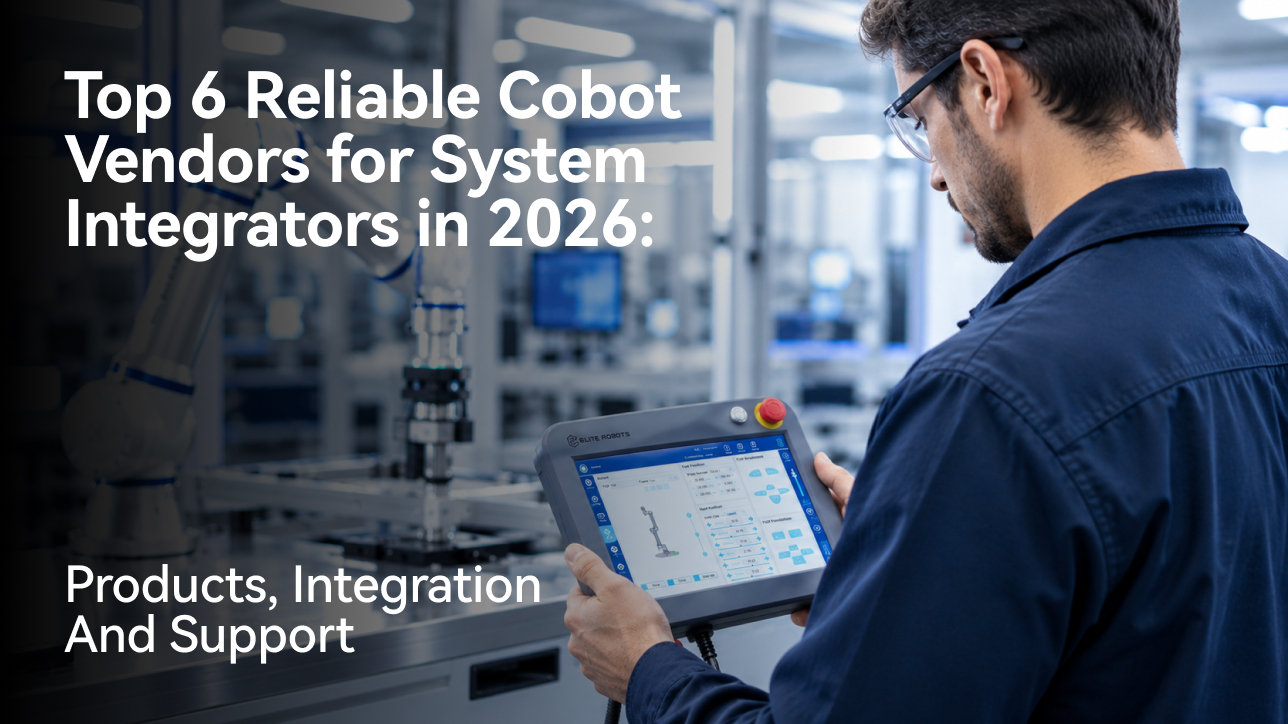
- Reduced Labor Costs: Eliminating the need for long-term specialized technician training, 6-axis cobots feature low-threshold operation modes including drag-and-drop teaching and graphical programming, enabling frontline workers to master core operational skills in just 10 minutes. This eradicates the traditional automation industry’s dependence on specialized programming talent, mitigates workplace injury risks and associated management costs, and allows enterprises to rapidly fill critical labor vacancies and maintain unbroken production continuity.
II. 6-Axis Cobots: Unparalleled Production Adaptability Powered by Flexibility
The defining core advantage of 6-axis cobots is their superior adaptive flexibility. Equipped with six degrees of freedom, these cobots replicate the complex, nuanced movements of the human arm—twisting, flipping, and stretching—seamlessly meeting the dynamic production demands of multi-variety, small-batch manufacturing, the dominant model of modern industrial production:
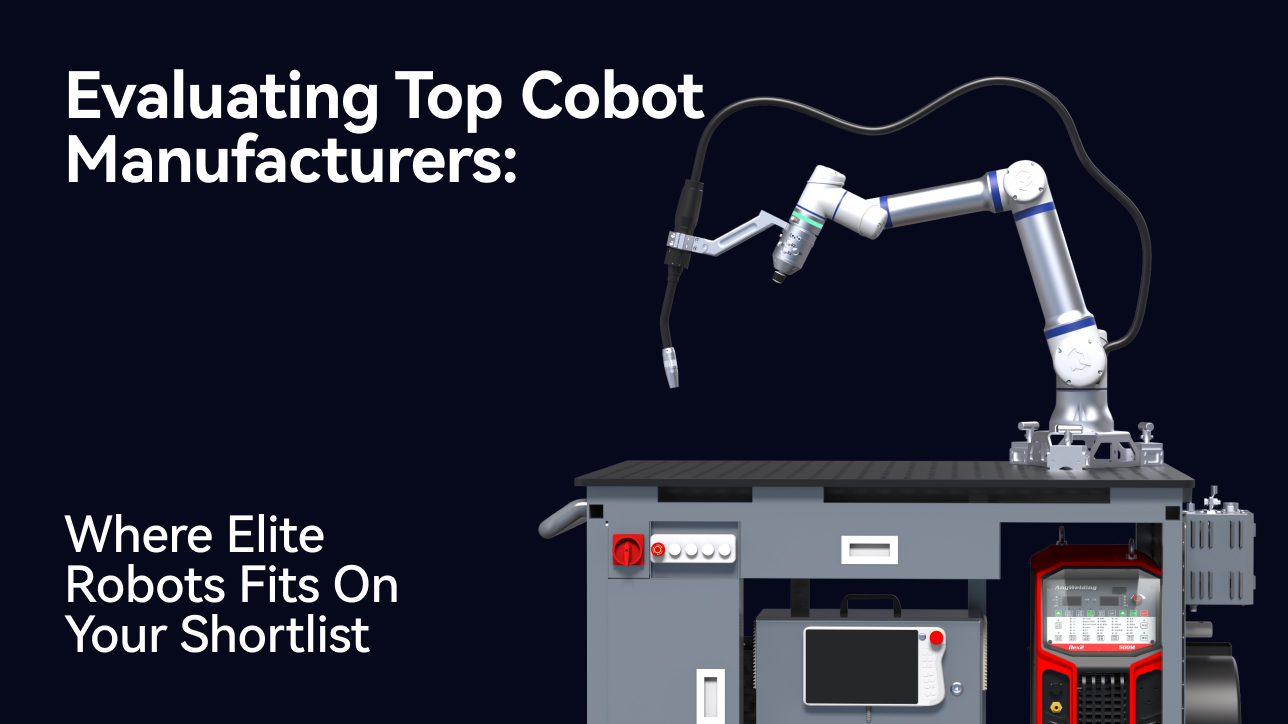
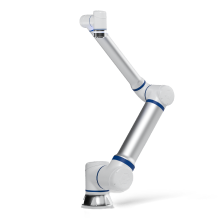
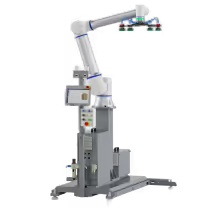
- Spatial and Scenario Adaptability: With a compact mechanical design and highly agile motion capabilities, 6-axis cobots deliver precise, repeatable operations even in confined production spaces. For example, the CS63 (3kg payload, 624mm arm reach) is engineered for high-precision electronic component assembly, while the CS625 (25kg payload, 1500mm arm reach) is optimized for heavy-duty material handling. Supporting flexible deployment modes including floor mounting, ceiling mounting, and mobile integration, these cobots are ideally suited for complex manufacturing scenarios such as steel structure fabrication and shipbuilding.
- Rapid Product Changeover: Unlike traditional industrial robots, which are fixed and inflexible in dedicated production line setups, 6-axis cobots support pre-stored program templates and rapid mechanical reconfiguration. Switching between different production processes requires only a few minutes of setup time, drastically minimizing unplanned production downtime and boosting overall production line utilization.
- Safe Collaboration Assurance: Compliant with the ISO 13849-1 functional safety standard, 6-axis cobots integrate high-sensitivity force sensors and intelligent collision detection technology, enabling direct side-by-side operation with human workers without physical safety fencing or barriers. This design eliminates the significant space waste associated with traditional industrial robot deployments and reduces human-robot interaction risks, making 6-axis cobots the ideal solution for precision manufacturing scenarios requiring human-machine cooperation, such as the electronics and pharmaceutical industries.
III. 6-Axis Cobots: The Core Intelligent Hub of Smart Manufacturing
Amid the global Industry 4.0 transformation, 6-axis cobots are no longer merely a tool for simple "machine replacement" in manufacturing; instead, they serve as the core intelligent hub of smart manufacturing systems, integrating diverse advanced technologies and enabling seamless connectivity across the entire production value chain:
- Empowerment through Technological Integration: By integrating artificial intelligence, machine vision, and the Industrial Internet of Robots (IoRT), 6-axis cobots enable data-driven decision-making and real-time process optimization. High-resolution industrial vision systems deliver an object recognition accuracy rate of over 95%, deep learning algorithms allow cobots to autonomously adapt to minor workpiece variations and production line changes, and digital twin technology supports pre-production simulation and process optimization, cutting trial-and-error costs for new product launches.
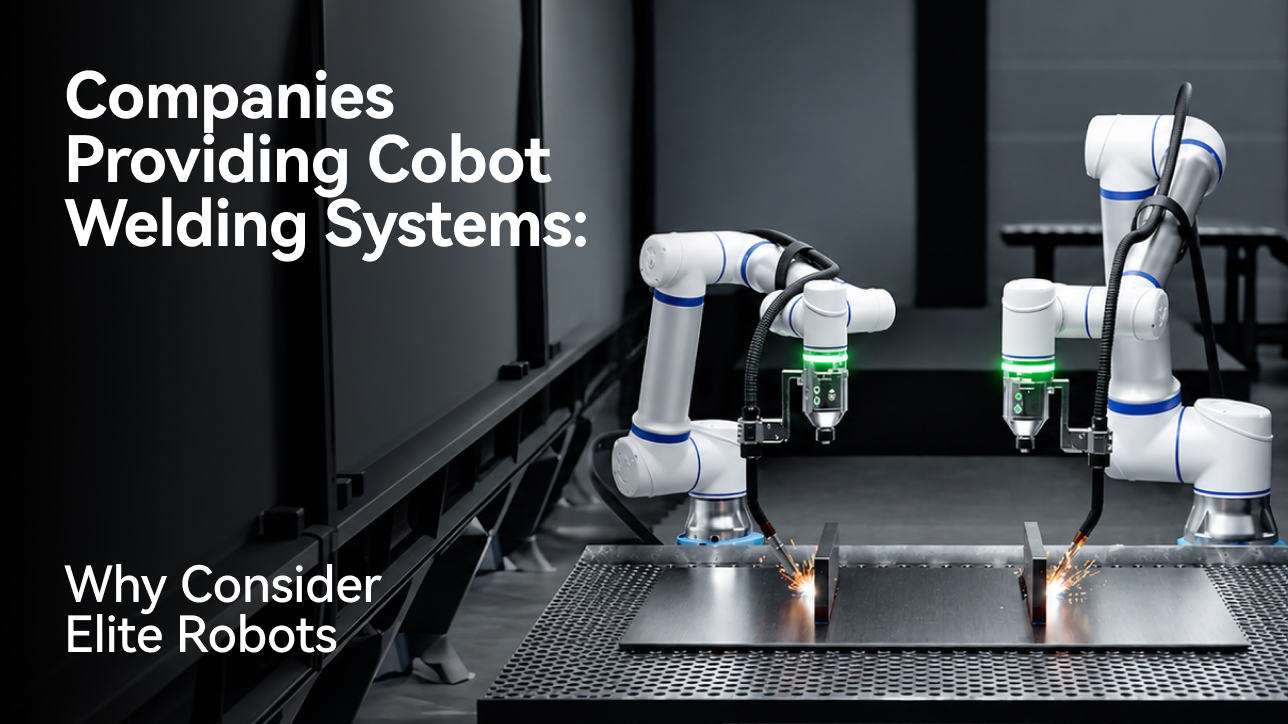
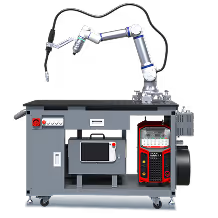
- Full Industrial Chain Compatibility: 6-axis cobots play a central role across the entire manufacturing spectrum—from automotive chassis welding and electronic chip precision assembly to food and beverage packaging and logistics sorting. Take the CS620 (20kg payload, 1800mm extra-long arm reach) as a prime example: in the welding of large construction machinery structural components, this cobot achieves zero-defect welding via advanced multi-layer multi-pass welding technology, acting as an intelligent connectivity hub linking production, quality inspection, and logistics within a unified digital ecosystem.
As artificial intelligence and modular automation technologies continue to advance and mature, 6-axis cobots will further lower the technical and operational barriers to industrial automation, driving the global manufacturing industry’s fundamental transformation from rigid, fixed production to flexible, data-driven smart manufacturing. For manufacturing enterprises worldwide, deploying 6-axis cobots is not only a pragmatic, immediate response to the ongoing global labor shortage but also a strategic imperative for seizing the initiative in the smart manufacturing era and achieving long-term sustainable business development. Cobots in manufacturing will continue to evolve and solidify their position as a cornerstone of industrial progress, empowering manufacturers to proactively navigate evolving market demands, optimize production efficiency, and build a more efficient, resilient, and intelligent global production ecosystem for the future of manufacturing.